

How Manual Contract Management is Holding Public Procurement Back
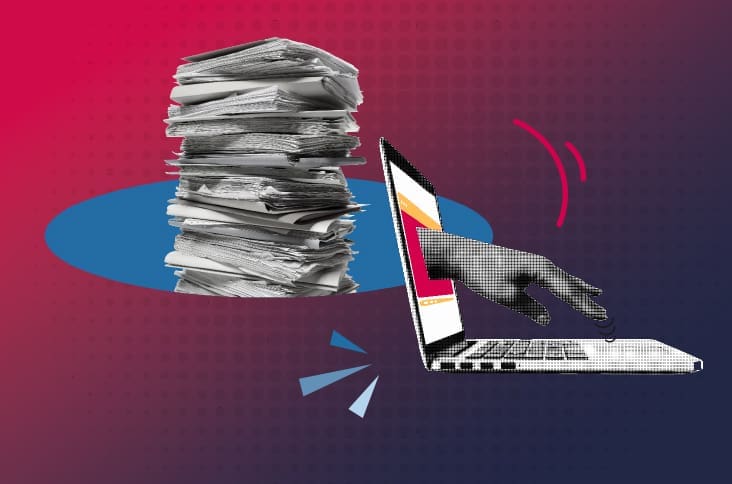
December 4, 2025Contracts are the backbone of public procurement, determining how taxpayer dollars are spent, how services are delivered, and how vendors perform. Yet many agencies still rely on manual methods like spreadsheets, email chains, or shared drives to manage millions of dollars in obligations. These outdated approaches create inefficiencies, increase risks, and reduce the value agencies can deliver back to their communities.
For public agencies with tight budgets and high accountability, those losses translate directly into fewer resources for critical programs and services. Research shows the cost of inaction is high.
According to Deloitte, poor contract management can result in the loss of 9.2% of annual contract value. For public agencies with tight budgets and high accountability, those losses translate directly into fewer resources for critical programs and services.
The solution is clear: modern Contract Lifecycle Management (CLM).
The High Cost of Manual CLM
Fragmented storage
When contracts are scattered across inboxes, drives, or file cabinets, staff waste time searching for documents and often struggle to confirm which version is current. This lack of organization slows operations and makes enforcing contract terms more difficult.
Missed obligations & renewals
Manual tracking makes it easy for deadlines, deliverables, or renewal dates to slip through the cracks. The result may be paying for services that are no longer needed, or worse, letting essential agreements lapse. Both of which carry serious financial and operational consequences.
Audit and compliance exposure
Public contracts demand transparency, but spreadsheets and ad hoc tracking create gaps. Incomplete documentation or missed approvals can result in failed audits, regulatory penalties, and damage to public trust.
Value leakage
Every contract represents an opportunity to save money, manage risk, and improve performance. Without visibility into obligations, milestones, and vendor performance, agencies leave value on the table that could otherwise be reinvested into community priorities.
Resource drain on staff
Chasing signatures, routing documents manually, and reconciling versions consumes time that procurement teams should be spending on strategy, supplier engagement, and innovation.
What Digital CLM Delivers
Centralized repository
Digital CLM consolidates every contract into one secure, searchable system. Staff can instantly access what they need, while leaders gain a complete, real-time view of their agency’s obligations and performance.
Automated workflows and approvals
Instead of juggling endless email threads, digital CLM routes contracts through predefined workflows. Approvals, signatures, and updates happen automatically, cutting cycle times and reducing errors.
Alerts and reminders
Automated notifications flag approaching renewals, compliance deadlines, or missed obligations. Teams can proactively address issues instead of reacting to problems after they occur.
Audit-ready transparency
Every action is tracked and stored, creating a complete, auditable history of contract activity. This makes audit preparation simpler and builds confidence in compliance practices.
Dashboards and analytics
Modern CLM provides real-time dashboards that highlight risks, obligations, and financial commitments. Agencies can identify trends, forecast future needs, and make better data-driven decisions.
Vendor performance monitoring
Digital CLM extends beyond the signature. Agencies can monitor vendor deliverables, milestones, and performance throughout the contract lifecycle, ensuring agreements consistently deliver value.
Why SOVRA CLM Stands Apart
Not all contract management tools meet the unique needs of government. Generic solutions often require heavy customization and fail to deliver the visibility and compliance public agencies require.
SOVRA CLM was built specifically for the public sector. With SOVRA, agencies gain:
- Prebuilt templates, clause libraries, and workflows aligned with government contracting needs.
- Compliance and audit features designed for regulatory requirements.
- Integration with sourcing and supplier management within the SOVRA platform for full procurement visibility.
- Access to North America’s largest public-sector supplier network, with over one million vendors.
With SOVRA CLM, agencies can finally replace outdated manual processes with a system designed to deliver efficiency, accountability, and confidence.
From Manual to Modern
Transitioning to digital CLM is about efficiency and building resilience in procurement. Agencies that adopt digital contract management can:
- Accelerate cycle times by automating approvals and workflows.
- Strengthen compliance with audit-ready documentation and transparency.
- Recover lost value by tracking obligations and holding vendors accountable.
- Free up staff time to focus on higher-value initiatives and community outcomes.
- Deliver better results by ensuring every taxpayer dollar is monitored and maximized.
Transform Contract Management with SOVRA
Manual contract management is no longer sustainable in today’s procurement environment. Agencies need transparency, compliance, and control. And digital CLM delivers exactly that.
Download our Manual vs. Digital CLM Comparison Datasheet to see how SOVRA empowers agencies to modernize contract management and achieve measurable results.
Frequently Asked Questions
1. What is Contract Lifecycle Management (CLM) in the public sector?
Contract Lifecycle Management (CLM) refers to the process of creating, storing, tracking, and managing public contracts from initiation to renewal. In government procurement, CLM must support transparency, compliance, and auditability, which is why digital systems offer major advantages over manual, spreadsheet-based methods.
2. Why is manual contract management considered risky for public agencies?
Manual CLM relies on email chains, shared drives, or spreadsheets that are prone to error and difficult to audit. These methods increase the risk of missed deadlines, incomplete documentation, poor version control, and failed compliance checks, all of which can result in financial loss or reduced public trust.
3. What are the benefits of moving to digital CLM?
Digital CLM centralizes all contracts, automates workflows, eliminates duplicated efforts, and provides real-time visibility into obligations and vendor performance. Agencies gain stronger compliance, faster cycle times, proactive alerts for renewals, and reliable audit trails all while reducing staff workload.
4. How does digital CLM support audit readiness and regulatory compliance?
A modern CLM system automatically tracks every action taken on a contract, from edits to approvals to performance milestones. This creates a complete, timestamped audit log. Digital CLM also stores required documentation in one secure location, making it easier to prepare for audits and meet public-sector regulations.
5. What makes SOVRA CLM different from generic contract management solutions?
SOVRA CLM is purpose-built for public procurement. Agencies receive preconfigured templates, clause libraries, and workflows aligned with government contracting practices. Compliance features, audit tracking, and integrations with sourcing and supplier management are built-in — not added on — making it easier to manage contracts across the entire procurement lifecycle.